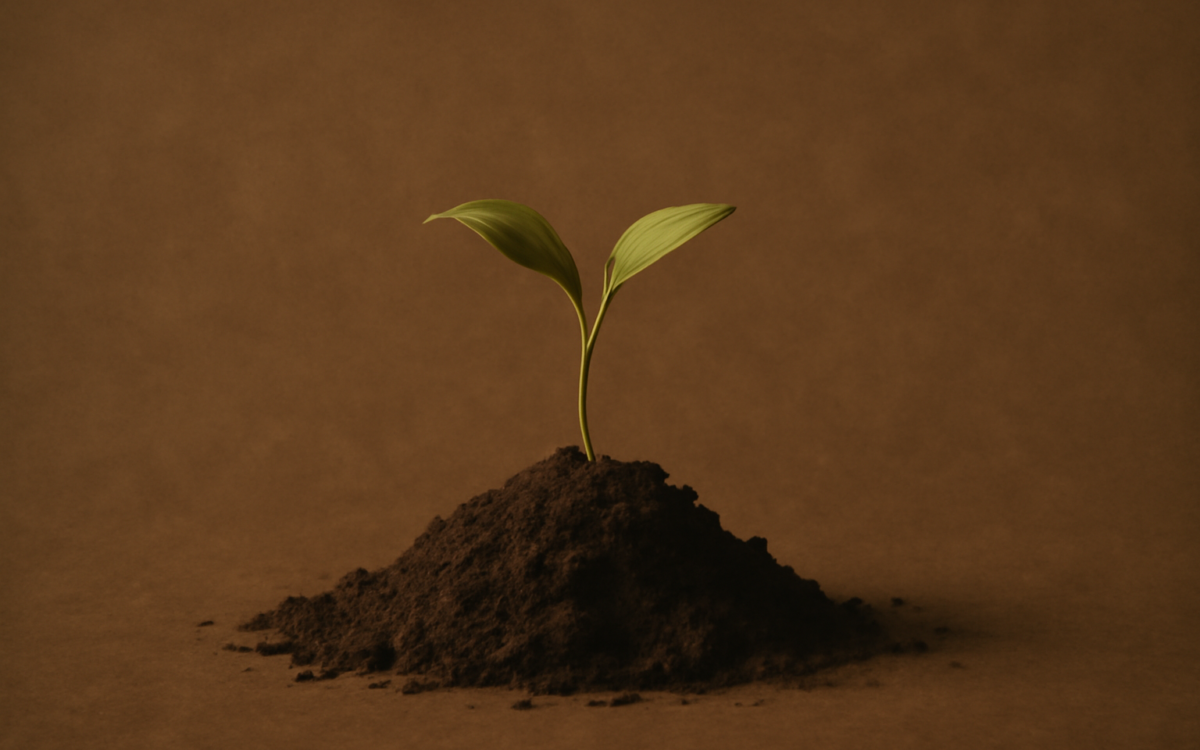
The Earth Rabbit pillar is written 己卯 (Jǐ Mǎo): Yin Earth resting under the Rabbit branch, whose fixed element is Wood. It belongs to those born in 1939 and 1999, and the next Earth Rabbit year arrives in 2059. This pair is the year pillar of a Ba Zi (八字 bāzì) chart — the corner that speaks of roots and the outward self.
First the timing rule. The year pillar changes at Li Chun (立春 lìchūn), around 4 February, not 1 January or lunar New Year. Anyone born in January or the opening days of February of a listed year likely carries the previous pillar. Check yours with the free calculator before reading yourself as an Earth Rabbit.
Earth Rabbit years and their neighbours
On the sixty-year wheel, 己卯 has surfaced twice in living memory: 1939 and 1999 (next: 2059). Each generation has its own detailed page — the 1939 zodiac year and the 1999 zodiac year — carrying the exact Li Chun timing that separates true Earth Rabbits from late Earth Tigers. The Rabbit itself hops past every twelve years: 1951, 1963, 1975, 1987 and 2011 fill the space between Earth Rabbit generations, all under stems other than Earth. The full run is collected on the Year of the Rabbit hub, and the logic of stems rotating over one branch is unpacked in the zodiac elements guide.
The Earth Rabbit personality
In earth rabbit chinese astrology the dynamic is quiet pressure. The Rabbit branch is Wood, and Wood controls Earth — roots working through soil. So the Yin Earth stem sits on the element that governs it. This is a pillar under internal pressure, but the pressure here is gentle and persistent rather than violent: not a forest cracking a mountain but a delicate root system slowly reworking a garden bed.
Yin Earth is the tended field, the potter’s clay: nurturing, practical, adaptable. Placed under the Rabbit’s soft Wood, it is continually turned over and reshaped from within — never quite allowed to settle. The result is a driven but understated character: Earth Rabbit people are diplomatic and mild on the surface yet inwardly restless, pushing themselves through steady, patient effort. There is subtlety and endurance here. The shadow is worry and self-erosion — pressure that turns inward as anxiety, or a pliability that lets others do the reshaping. Balanced, this is a temperament of gentle persistence that quietly outworks louder company.
In charts this gently pressured pillar often shows in someone mild on the surface but inwardly restless from early on — effort that never quite reads as effort. The practitioner’s caution is that the strain turns inward easily, pooling into worry. The Earth Rabbit’s quiet persistence outlasts louder ambition, but only if the pressure is allowed to build something rather than simply weigh.
What the Earth stem does to the Rabbit
The Rabbit’s constants — tact, refinement, an instinct for the graceful exit — travel through all five of its element years. The stem changes the story the branch tells. Under Fire the Rabbit’s Wood feeds the stem and the animal turns warm and sustaining; under Metal or Water the relationship shifts again, toward discipline or flow. The Earth stem is the one the Rabbit’s Wood directly controls, so 己卯 is the variant where the animal’s gentleness carries a hidden workload: the diplomacy is real, and so is the constant inner pressure it manages. That is flavour, not fortune. No stem makes a Rabbit year lucky or doomed; it sets the key signature, and the melody is written by the other seven characters.
What sits beneath: hidden stems
The Rabbit is a clean, single-stem branch (藏干 cánggān):
- Yǐ 乙 (Yin Wood) — the vine, grass and flower; flexible, persistent growth, and here the very Wood that works and controls the Earth above.
One hidden stem makes the Rabbit undivided. All of that Yin Wood bears on the Yin Earth, which is why the pressure in this pillar reads as soft, continuous and inescapable rather than sudden.
Na Yin and the year’s texture
The Na Yin (纳音 nàyīn) of 己卯 is 城头土, City-wall Earth — the rammed soil of a fortress rampart, compacted into a defence. For the pressured Earth Rabbit the image reframes the strain: constant working of the ground is what packs it into a wall. The gentle, ceaseless pressure builds something protective over time — quiet endurance hardened into a bulwark.
Rabbit in 2026
2026 is 丙午 (Bǐng Wǔ), the Fire Horse. The Rabbit branch Mao forms no major clash, harm or combination with the Horse branch Wu, so 2026 is a year to read by elements rather than by a single event. Here the reading matters for a pressured pillar: the year’s strong Fire is generated by Wood and in turn produces Earth, so the Fire Horse can quietly feed your Earth and relieve some of the inner strain. Rather than bracing for drama, weigh how the year’s Fire and Earth meet your chart. The 2026 Fire Horse overview lays out the wider mood.
The same Rabbit branch reads very differently under Fire: compare the well-rooted Fire Rabbit year, where the branch’s Wood feeds the stem instead of controlling it, and the same animal turns warm rather than tense.
Common questions
I was born in January 1999 — Rabbit or Tiger?
Tiger, in all likelihood. The pillar did not turn until Li Chun in early February 1999, so January births that year carry the preceding Earth Tiger pillar. Run the exact date through the calculator if you were born within days of the boundary.
Is a pillar “under pressure” a bad sign?
No. In the classics the pressured pillars are often the most driven — the control relationship supplies tension, and tension supplies motive force. What matters is whether the rest of the chart gives that force somewhere to go.
When will the Earth Rabbit return?
2059 — sixty years after 1999. Element-animal pairings keep that spacing throughout the cycle.
Keep the scale honest: the year pillar is one-eighth of your Ba Zi. The Earth Rabbit colours your roots and mild outward manner, but the Day Master and the other pillars decide the core. Plot your whole chart free with the Butcher Boy calculator and read the Earth Rabbit in its full setting.