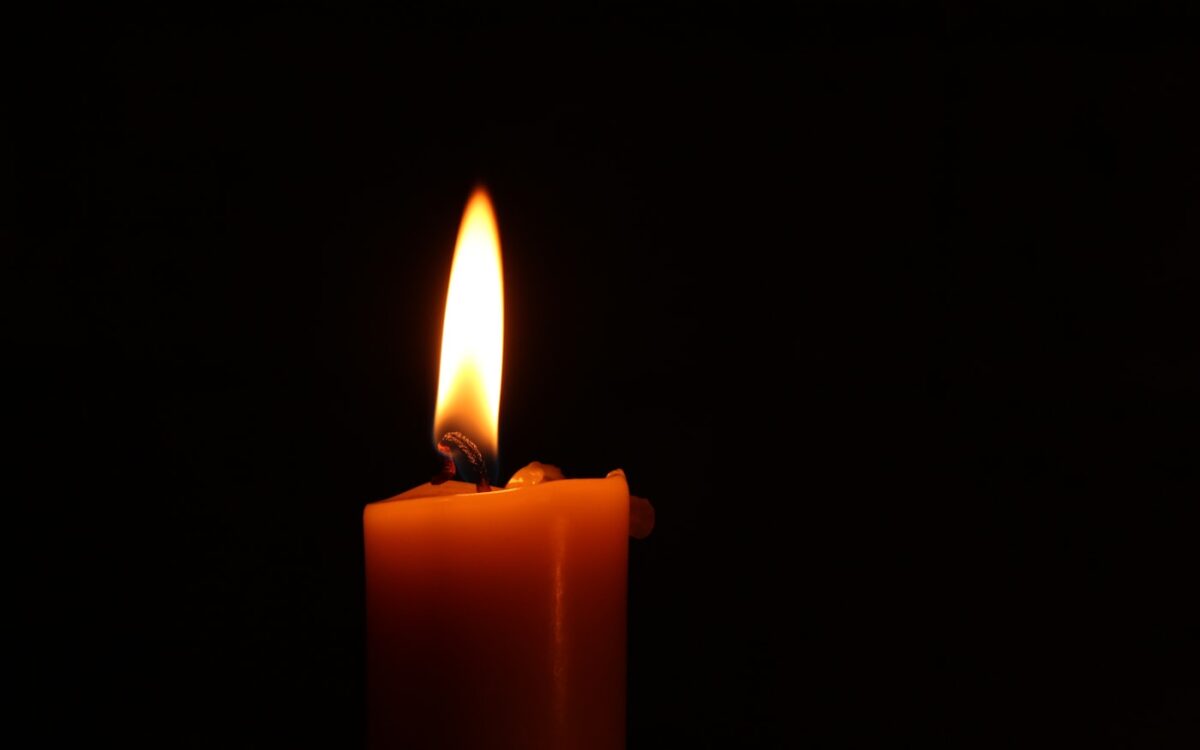
The Ding Wei day pillar (丁未 dīng wèi) sets Yin Fire over the Goat, an Earth branch. Where the sun floods a whole field, Dīng (丁 Yin Fire) is a single focused flame — a candle, a lamp, a hearth. Wèi (未 the Goat) is warm, dry late-summer earth. Fire feeds Earth, so the image is a small steady flame gently baking the clay around it: a kiln at low heat, a hearth that keeps a home warm rather than a blaze that lights a valley.
Because the day pillar is your seat in your own chart, Ding Wei describes someone whose way of meeting life is quiet warmth turned into something useful. The flame here does not perform; it produces.
Personality
Dīng is the perceptive, refined stem — a light that reveals detail rather than dazzling the room. On the Goat, that gentleness becomes productive. The branch’s main energy reads as Eating God (食神 shíshén) to the Day Master, the mildest of the output stars: the pleasure of making, feeding, hosting and enjoying the fruits of one’s own craft.
This is one of the more contented day-pillar signatures. Ding Wei people tend to be warm, patient, quietly creative, and drawn to comfort — good food, good company, work they can take pride in. The Goat also stores a Friend and a vein of Indirect Resource, which adds self-sufficiency and a thoughtful, sometimes private inner life. They rarely push for the spotlight the way a Yang Fire native does; they would rather build a warm room than a bonfire. The gentle caution is that Eating-God ease can slide into avoiding hard edges, so this pillar does best when its comfort is earned through real output.
The spouse palace
In Ba Zi (八字 bāzì) the day branch is the spouse palace, the seat of one’s partner. The Goat holds three hidden stems, giving this seat a layered, domestic character.
| Hidden stem | Ten God (relative to Dīng) |
|---|---|
| Jǐ 己 (Yin Earth) | Eating God (食神 shíshén) |
| Dīng 丁 (Yin Fire) | Friend (比肩 bǐjiān) |
| Yǐ 乙 (Yin Wood) | Indirect Resource (偏印 piānyìn) |
Eating God leading the spouse palace classically reads as a comfortable, well-tended home life — a marriage organised around ease, hospitality and shared enjoyment. The Friend alongside suggests a partnership of equals, more companionable than hierarchical. The Indirect Resource is the note to keep an eye on: in the classics it can crowd the Eating God when over-strong, which in plain terms means a nurturing instinct that is best kept from tipping into over-management. Read the whole seat calmly: this is a homely, affectionate partnership that thrives on mutual care kept in proportion.
Neither classical partner star occupies this seat — no Wealth for a man’s chart, no Officer for a woman’s — so the palace speaks about the household’s temperature while the partner star is read from the rest of the chart. That two-part method, and what to do when palace and star disagree, is walked through in our spouse palace guide.
The Goat in the cycle
Wèi is clashed by Chǒu 丑 (the Ox) in the Six Clashes (六冲 liùchōng) — dry earth against wet, the two storehouses breaking each other open — so Ox years are when this settled seat gets shaken and what has been quietly banked in the marriage palace comes up for air. Wèi also combines with Wǔ 午 (the Horse) in the Six Combinations (六合 liùhé), warming the hearth further, and joins Hài 亥 and Mǎo 卯 in the Wood frame (三合 sānhé), which feeds the hidden Resource and, through it, the flame itself. Pig and Rabbit years therefore tend to nourish this pillar; Ox years audit it.
Na Yin
The melodic element (纳音 nàyīn) of Ding Wei is 天河水 Tiānhé Shuǐ, Sky River Water — the river of stars across the night sky. For a warm little hearth-pillar, that distant celestial water is a graceful counter-note, a reminder that a modest flame still belongs to a very large sky. Enjoy it as flavour; the working relationship remains Fire producing Earth.
In a full chart
No pillar stands alone. On its own, Ding Wei looks warm and self-contained, but the surrounding stems and branches decide whether that candle has fuel or is guttering. Yin Fire is easily overwhelmed or easily starved, so whether this pillar reads as cosy or thin depends entirely on strength. Weigh that first with a strong versus weak reading, then explore the stem more fully in the Ding Fire Day Master profile — the complete stem-by-stem mapping lives on the ten gods of the Ding Fire Day Master page. For a vivid contrast, the Bing Wu day pillar carries the same Sky River Water melody on a blazing Yang Fire, showing how differently the two Fires wear the same tune.
Inside Dīng’s own family the instructive pair is the Ding Chou day pillar — the same Eating God seat on cold, wet ground, and the very branch that clashes this Goat — and the Ding Mao day pillar, which shares the Wood frame and shows the Resource this pillar keeps hidden standing alone as the main event.
Questions about Ding Wei
Is Ding Wei a good day pillar?
It is one of the gentler, more contented seats — warmth flowing into craft and home. Its quality in a specific chart still turns on whether the flame has fuel; a starved Dīng cannot afford this much giving.
What does it suggest about my spouse?
The palace points to a companionable, nourishing home life rather than naming the partner star. Expect the marriage’s tone to be domestic and warm; read the partner’s character from where your spouse star actually sits.
Does the hidden Friend cause rivalry?
A Friend in the palace reads as peer energy, not rivalry by default — two equals sharing a hearth. It only turns competitive when the wider chart is already crowded with companion stars.
Which years activate this pillar?
Ox years clash it, Horse years combine with it, Pig and Rabbit years complete its Wood frame. These are the seasons this quiet seat becomes the storyline.
Curious whether Ding Wei is your day pillar? Find out in a moment — plot your chart free with the Ba Zi calculator and read your day stem and branch off the chart.