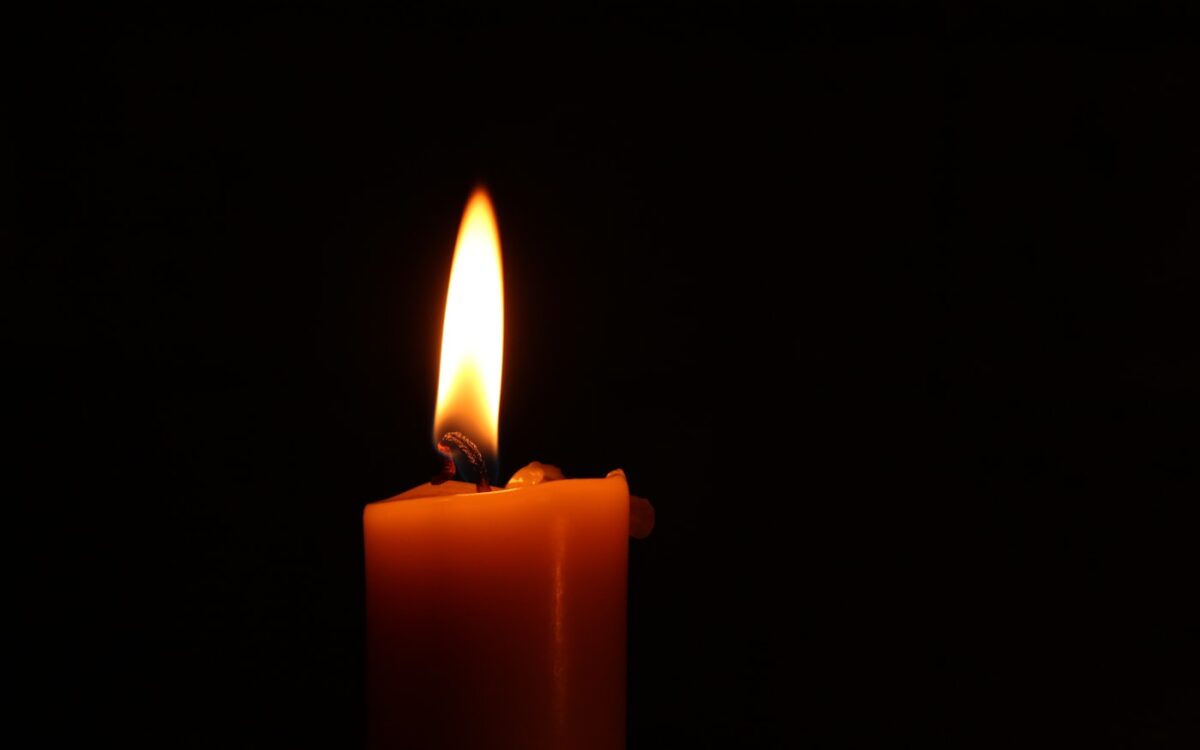
Your Day Master (日主 rìzhǔ) is Dīng 丁 — Yin Fire: the lamp flame — precise, penetrating warmth, steady exactly where the sun cannot reach: at night, indoors, up close. Dīng influences one room at a time and does it completely. The gift is depth of focus and an almost surgical empathy. The shadow is dependence on conditions: a lamp is easily fanned, easily starved, and feels every draught.
New to Day Masters? Start with the explainer, or plot your chart to confirm yours.
The Dīng temperament
In the five-element mechanics, Dīng is fed by Wood, expresses itself through Earth, treats Metal as its wealth, and answers to Water as pressure and authority. Those four arrows explain most of what this stem loves and avoids: seasons, people and jobs are experienced as more or less of each.
In charts we read Dīng as the stem of transformation — the flame that cooks, smelts and illuminates rather than merely burns. Dīng people change whatever they give sustained attention to, which is why the same chart can describe a therapist, a metallurgist or the colleague who quietly rewrites the team’s thinking over six months of coffees. Under pressure Dīng does not blaze back; it concentrates. Water years and controlling bosses make the flame smaller and hotter, and the danger is not extinction so much as a long, private smoulder that nobody notices until the mood of the whole house has changed. The remedy is always fuel and air: Wood in the form of study and allies, and rooms where the flame is allowed to be seen.
In relationships Dīng is the warmest of the ten stems at close range — attentive, exact, remembering what you said in passing a year ago. It asks for the same precision back, and feels its absence keenly.
Dīng through the four seasons
The season of birth sets how much fuel and weather the lamp was given. Classical doctrine grades the Day Master’s seasonal state as 旺 wàng (Prosperous), 相 xiàng (Supported), 休 xiū (Resting), 囚 qiú (Confined) or 死 sǐ (Dormant). These are solar-term seasons, not calendar months, and the Earth branches 辰未戌丑 at each season’s end shade toward Earth.
| Season | Branches | Dates | Dīng’s state |
|---|---|---|---|
| Dīng born in spring | 寅卯辰 | Feb 4 – May 4 | 相 xiàng — Supported |
| Dīng born in summer | 巳午未 | May 5 – Aug 6 | 旺 wàng — Prosperous |
| Dīng born in autumn | 申酉戌 | Aug 7 – Nov 6 | 囚 qiú — Confined |
| Dīng born in winter | 亥子丑 | Nov 7 – Feb 3 | 死 sǐ — Dormant |
Spring Wood produces Fire — strong by backing, resourced, sometimes over-sheltered. Summer is Fire’s own season: maximum native strength, where the chart usually needs outlets, not more support. Autumn sets the flame over the Metal it controls — a wealth season, but fighting uphill against the times: effortful, gritty, the smith’s year. Winter Water controls Fire: weakest baseline, where support and timing matter more than effort. Each season page reads one of these lamps properly.
The Ten Gods for a Dīng Day Master
Every other stem in the chart becomes one of the Ten Gods (十神 shíshén) relative to Dīng — note that for Yin Fire it is Rén, the ocean, that arrives as the Direct Officer, and Guǐ, the rain, as the sharper Seven Killings. The full walk-through is in the Ten Gods for Dīng Fire.
| Stem | Ten God for Dīng |
|---|---|
| Jiǎ 甲 (Yang Wood) | Direct Resource 正印 |
| Yǐ 乙 (Yin Wood) | Indirect Resource 偏印 |
| Bǐng 丙 (Yang Fire) | Rob Wealth 劫财 |
| Dīng 丁 (Yin Fire) | Friend 比肩 |
| Wù 戊 (Yang Earth) | Hurting Officer 伤官 |
| Jǐ 己 (Yin Earth) | Eating God 食神 |
| Gēng 庚 (Yang Metal) | Direct Wealth 正财 |
| Xīn 辛 (Yin Metal) | Indirect Wealth 偏财 |
| Rén 壬 (Yang Water) | Direct Officer 正官 |
| Guǐ 癸 (Yin Water) | Seven Killings 七杀 |
Strong Dīng, weak Dīng
A strong Dīng holds a beam: research, mastery, mentorship — one flame lighting many candles. A weak Dīng flickers with its environment and must curate it ruthlessly: stable rooms, steady people, oil in reserve. The Dīng failure mode is burning for whoever stands closest, deserving or not.
Not sure which you are? Season is half the verdict — see strong vs weak, properly judged, and then favorable elements for Fire Day Masters for what to actually do about it.
Career and money
Specialist and confidant roles: therapy, editing, fine craft, strategy, teaching the difficult students, engineering the tricky middle of problems. Metal is the wealth element — refined output, priced for precision rather than volume.
Your six Dīng day pillars
Dīng always sits on a day branch, and the pair — the day pillar (日柱 rìzhù) — is the working unit of analysis. As a yin stem, Dīng pairs with six branches: Dīng Chǒu 丁丑, the lamp in the cold storeroom; Dīng Mǎo 丁卯, the flame fed by fresh wood; Dīng Sì 丁巳, the flame on its own hearth; Dīng Wèi 丁未, the lamp in the warm study; Dīng Yǒu 丁酉, the flame in the silversmith’s workshop; and Dīng Hài 丁亥, the lamp over night water. The day branch is also the spouse palace, so the six read very differently in partnership questions — each page treats one in depth.
Dīng in 2026 — the Bǐng Wǔ year
2026 lends Dīng a companion fire: borrowed brightness, easier visibility, warmer networks. Strong Dīng should beware dazzle — this is a year to deepen the niche, not chase the sun’s job. Weak Dīng gets a rare tailwind: say yes to the stage, but bank the energy the year lends rather than spending it twice.
For how a double-Fire year works in general, read the 2026 Fire Horse guide.
Go deeper
A Day Master is the first sentence of a chart, not the whole paragraph. The season you were born into, the hidden stems beneath your branches, and your current luck pillar decide which version of Dīng is on duty this decade. For the whole chart in plain English — with the next twelve months mapped — book a reading, or see the other nine stems in the field guide.
Begin at the beginning: find your Day Master. Plot your chart free with the Ba Zi calculator and see which Dīng pillar — and which season’s lamp — is yours.