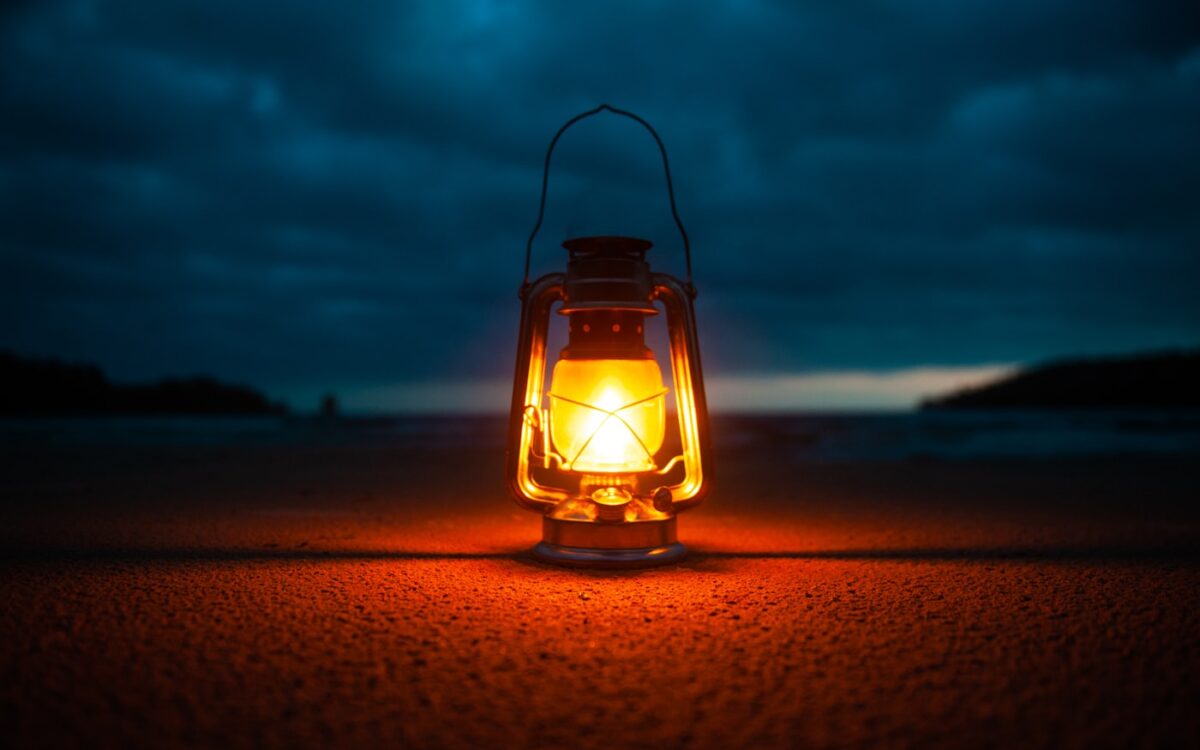
The Ding Si day pillar (丁巳 dīng sì) sets Yin Fire over the Snake, itself a Fire branch. Dīng (丁 Yin Fire) is the focused flame — a candle, a lamp — and Sì (巳 the Snake) is bright yang Fire, the branch where this flame finds its strength. The image is a lamp burning inside a larger hearth, or a candle lit in full daylight: a refined little fire lent the confidence of a much bigger one. Fire on Fire, this pillar burns brighter and bolder than Yin Fire usually does.
Because the day pillar is your seat in your own chart, Ding Si describes a person who looks composed and refined but carries far more heat than that surface suggests.
Personality
Dīng is the perceptive, refined stem — a light that reveals detail rather than flooding a room. On the Snake, it borrows a bolder temperament. The branch’s main energy reads as Rob Wealth (劫财 jiécái) to the Day Master, the companion star that here brings drive, assertiveness and a competitive undercurrent to an otherwise quiet flame.
So this candle has ambition. Ding Si people are typically refined in manner but surprisingly forceful in pursuit — passionate, self-driven, willing to spend themselves for something they care about. The Rob Wealth gives them push and a certain intensity around what is theirs. Beneath that, the Snake also stores a Hurting Officer and a hidden Direct Wealth, adding expressiveness and a sharp practical sense of value. Read Ding Si as elegance with a real engine behind it: gracious on the surface, driven and capable underneath, and best when that heat is aimed at a goal rather than at rivals.
The spouse palace
In Ba Zi (八字 bāzì) the day branch is the spouse palace, the seat of one’s partner. The Snake holds three hidden stems, so this seat mixes drive, expression and a grounding wealth note.
| Hidden stem | Ten God (relative to Dīng) |
|---|---|
| Bǐng 丙 (Yang Fire) | Rob Wealth (劫财 jiécái) |
| Wù 戊 (Yang Earth) | Hurting Officer (伤官 shāngguān) |
| Gēng 庚 (Yang Metal) | Direct Wealth (正财 zhèngcái) |
For a Dīng man, Direct Wealth is the wife star, and finding it in the spouse palace classically points to a steady, reliable partner seated where partnership belongs — a grounding presence beside the flame. The note to handle honestly is the Rob Wealth leading the seat: it asks that shared money and shared attention be kept clearly delineated, so the pillar’s competitive streak stays out of the marriage. The Hurting Officer alongside keeps things expressive and lively. Read the whole seat calmly — a passionate partnership with a grounded partner, strongest when its finances and loyalties are plain.
Because the wife star here sits beneath two hotter currents, the practical reading is about protection: the marriage thrives when the couple shields the steady thing they have built from the pillar’s own competitive heat. For how much weight to give a hidden star versus a visible one, see the method in our spouse palace guide.
When the Snake meets its branches
Sì is clashed by Hài 亥 (the Pig) in the Six Clashes (六冲 liùchōng) — Water against Fire — so Pig years are when this confident seat is doused and tested, and partnership matters tend to surface. Sì also combines with Shēn 申 (the Monkey) toward Water in the Six Combinations (六合 liùhé), a quieter form of the same discipline, and completes the Metal frame (三合 sānhé) with Yǒu 酉 and Chǒu 丑. That frame matters for Ding Si in particular: it swells the Direct Wealth hidden in the seat, so Rooster and Ox years are classically this pillar’s seasons of material consolidation — provided the flame is strong enough to hold what it gathers.
Na Yin
The melodic element (纳音 nàyīn) of Ding Si is 沙中土 Shāzhōng Tǔ, Sand Earth — the fine, loose earth of a riverbank. For a bright, driven flame it is a quietly grounding note: soft earth that a fire can warm without consuming. Take it as poetic flavour, secondary to the Fire-on-Fire mechanics that actually run the pillar.
In a full chart
A day pillar is one line of four. Read alone, Ding Si looks bright and forceful, but the surrounding pillars decide whether that combined Fire is a warming strength or an excess that needs Water and Metal to balance it. Whether this flame reads as capable or overheated comes down to strength, so start with a strong versus weak reading, then read the stem more fully in the Ding Fire Day Master profile; the stem’s complete table of relationships is on the ten gods of the Ding Fire Day Master page. The neighbouring Bing Chen day pillar shares this Sand Earth melody on the broader Yang Fire, a useful contrast between the two Fires.
Within Dīng’s own family, two siblings frame this seat. The Ding Hai day pillar sits on the Pig that clashes this Snake — the same lamp governed by Water instead of amplified by Fire — and the Ding You day pillar holds in pure form the Wealth that Ding Si keeps hidden under its heat.
How to check if Ding Si is your pillar
The day pillar comes from your birth date alone — it cycles every sixty days and has nothing to do with your zodiac year. Cast your four pillars and look for 丁 over 巳 in the day column. Our chart reading guide shows you which column is which if the grid is unfamiliar.
Common questions
Is Ding Si strong?
Seated in its own element, yes — this is one of Yin Fire’s sturdiest placements. Final strength still depends on the birth month: a winter Ding Si leans on the Snake, a summer one may already be running hot.
What does the spouse palace say for men?
The wife star is present in the seat, which is favourable — but it sits beneath a Rob Wealth, so the classics counsel clarity about money and attention. A steady partner, a passionate household, clear agreements.
Which years matter most?
Pig years clash the seat; Monkey years combine with it; Rooster and Ox years build the Metal frame that feeds its hidden Wealth. Read those windows with extra care.
Wondering whether Ding Si is your own day pillar? Confirm it in a moment — plot your chart free with the Ba Zi calculator and read your day stem and branch straight off the chart.