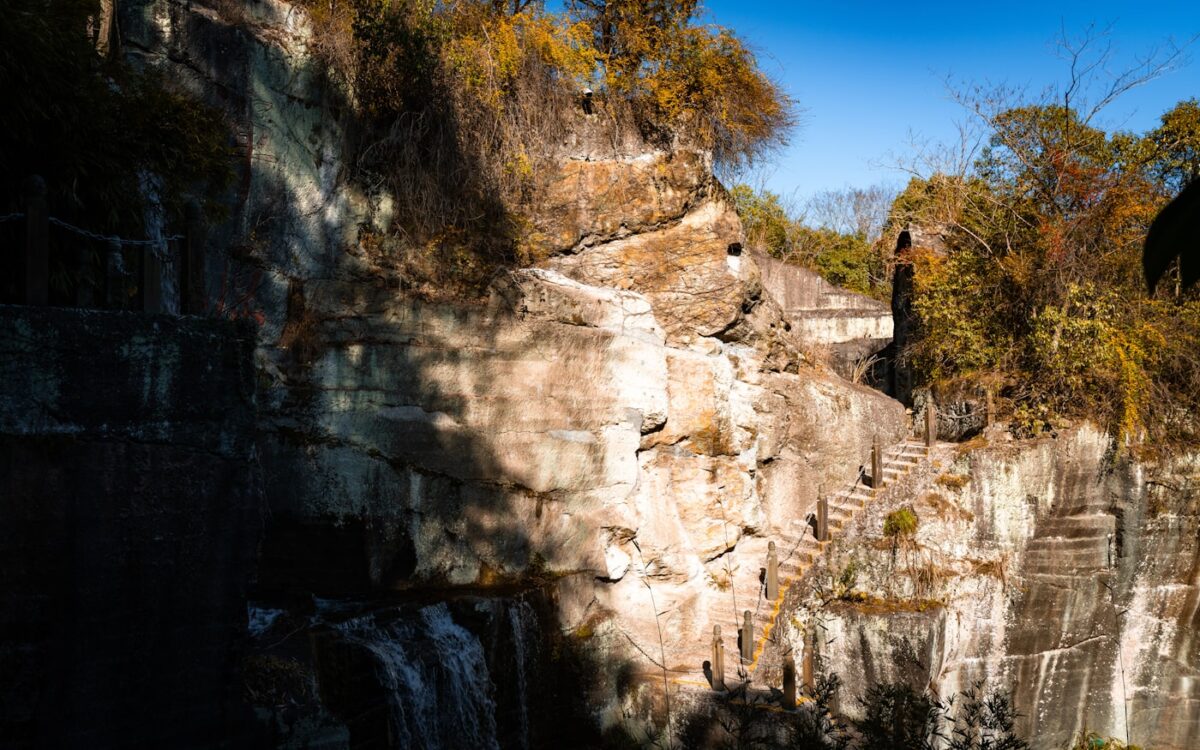
A Wu Earth born in autumn is the mountain giving up its ore. Wù Earth (戊 wù) is the Day Master (日主 rìzhǔ) of the ridge, the wall, the broad high ground — the most solid and settled of the ten stems. Autumn is the Metal season, branches 申酉戌, running Aug 7 – Nov 6 (from Li Qiu 立秋 to before Li Dong 立冬). Those are solar-term (節氣 jiéqì) boundaries, not calendar months: the quarter begins when the sun reaches Li Qiu, so an early-August birthday can sit on either side of it. Confirm which side you were born on with the Butcher Boy calculator before you build a reading on the season.
Autumn is the quarter when Metal is at its peak, and Metal is the element that Earth produces. For the Wu mountain, that makes autumn a season of output — the rock steadily yielding the metal it holds.
Resting (休 xiū): your element feeds the season
The classical state here is 休 xiū — Resting — your element feeds the season: energy flows out; mild drain, the retired-general state. For Wu Earth specifically, this is the mountain being quarried — solid still, but spending itself into the ore it produces. There is nothing violent about it, the way the controlling seasons are; the mountain is simply working, and work costs energy. A Wu born in autumn often reads as capable and productive but quietly depleted, the general who has handed over most of the campaign.
Compare a Ji Earth in the same autumn and the flavour shifts. Ji is soft field soil giving up its minerals easily; Wu is bedrock, and the metal drawn from bedrock is drawn at cost. The resting state is mild, not severe, but for the mountain it means the strength is real yet flowing outward rather than banking up.
Reading the drain month by month: 申, 酉, 戌
The Monkey month (申 shēn) opens the quarter with hidden stems (藏干 cánggān) Gēng 庚, Rén 壬 and Wù 戊. For this Day Master it is the gentlest opening imaginable for an output season: the Metal drawing on the mountain shares its branch with a Wù root, so the quarry and the bedrock arrive together. The Rooster month (酉 yǒu) hides Xīn 辛 alone — pure Metal, the cleanest and steepest outflow of the three, with no Earth in the branch to stand on. The Dog month (戌 xū) closes autumn hiding Wù 戊, Xīn 辛 and Dīng 丁, and it changes the arithmetic: an Earth-storage branch whose main qi is the mountain’s own stem, with a hidden Dīng resource folded in. In practice, a 酉-month Wu feels the resting drain most keenly, while 申 and especially 戌 births carry their own footing through it.
What this season asks of you
Autumn is Earth’s output season — Earth produces Metal — so the drain runs toward the very thing the season is full of. For a Wu Earth born in autumn, the practical priorities lean to the weaker-state side: shore up before you spend. Resource for Wu is Fire (火 huǒ) — a Bing or Ding to re-warm the ground the outgoing Metal is cooling. Allies are other Earth, a companion ridge or field to keep the mountain from thinning out entirely into ore.
The judgement call is whether to lean into the output or protect against it. A Wu with plenty of Earth roots can afford to let autumn’s Metal flow — that is talent and craft leaving the body productively. A Wu already thin will find the same season quietly hollowing, and the corrective is Fire and companions before more output. The classic autumn picture for Wu is a mountain rich in metal but cooling by the week, so the reading turns on how much Fire and Earth stand behind the outflow. Read the resting state as a prompt to check the fuel gauge, not as a crisis.
In favorable-elements terms this is the borderline case the rule of thumb handles least cleanly: a resting chart can fall on either side of the strong–weak line, so whether resource and companions or output and wealth serve you depends on the final verdict, not the season alone. The full decision logic for Earth stems is on the favorable elements for Earth Day Masters page, and it starts from exactly this weighing.
The caveats that change everything
Season is only half the strength verdict, and Earth adds its own clause: classical doctrine gives Earth its own prosperity in the four transitional months (土旺四季 tǔ wàng sìjì), strongest in late summer (未 wèi) — and autumn’s closing branch 戌 is one of those Earth-storage months. A Wu weighted toward 戌 can sit noticeably firmer than the plain resting reading suggests, offsetting the drain. Past that, rooting decides everything else: hidden stems, the neighbouring stems, clashes and combinations all finish the judgement the season only begins.
So don’t stop at the month branch. Walk the full weighing in our guide to a strong versus weak Day Master, and read the mountain’s temperament on the Wu Earth Day Master profile. For the contrast, see the same stem under pressure in its wealth season at Wu Earth born in winter, where the mountain works to dam the Water rather than feed the Metal. The other two quarters complete the compass: Wu Earth born in spring is the mountain gripped by the forest, and Wu Earth born in summer is the same slope baked firm by its resource season. Autumn sits in the middle of that range — neither fed nor fought, simply spending.
One distinction worth keeping
Practitioners separate a drain from an attack, and autumn for Wu is strictly the former. The Metal taking from the mountain is the mountain’s own produce — in the Ten Gods (十神 shíshén) grammar, the output stars that stand for craft, expression and legacy. That is why this placement so often belongs to builders and makers rather than fighters: the season asks for work, not resistance. The only real question is whether the chart refuels the worker.
Autumn is the productive but draining quarter for the mountain, and productivity without fuel eventually thins the slope. To see whether your own Wu can spare the output or needs shoring up first, confirm both your Day Master and your birth season with the Butcher Boy calculator, then weigh the roots around it.