A Wu Earth born in summer is the mountain under a high, warming sun. Wù Earth (戊 wù) is the Day Master (日主 rìzhǔ) of the ridge and the dyke — the broad, solid high ground that anchors everything around it. Summer is the Fire season, branches 巳午未, running May 5 – Aug 6 (from Li Xia 立夏 to before Li Qiu 立秋). These are solar-term (節氣 jiéqì) boundaries, not calendar months: the season opens when the sun reaches Li Xia, so an early-May birthday can fall on either side of the line. Fix which side you were born on with the Butcher Boy calculator before you lean on the season in a reading.
Summer is the quarter when Fire is at its peak, and Fire is the element that produces Earth. For the Wu mountain, that makes summer a season of backing — warmth from above hardening and strengthening the ground.
Supported (相 xiàng): the season feeds your element
The classical state here is 相 xiàng — Supported — the season feeds your element: strong by backing; comfortable, resourced, sometimes over-sheltered. For Wu Earth specifically, this is the mountainside baked firm and warm by a summer sun. The ground is stable, self-assured, and easy to build on. A Wu born in summer tends to carry itself with quiet confidence — the immovable stem in a season that actively agrees with it.
Set beside a Bing Fire born in the same summer, the difference is clear. Bing is the sun itself, at its own peak and needing outlets; Wu is what the sun warms, receiving that heat as resource. The Fire that exhausts an over-strong Fire Day Master is exactly what steadies the Wu mountain. This is a comfortable, well-resourced placement.
What this season asks of you
Summer is Earth’s resource season — Fire produces Earth — so a Wu Earth born in summer is a supported chart, and the strong-state priorities apply: find outlets and use the strength rather than piling on more support. For Wu, outlets mean Metal (金 jīn), the element the mountain produces — the ore drawn from the rock, the craft and output that gives all that stable ground a purpose. Wealth means Water (水 shuǐ), the reservoir the mountain can hold. A well-backed Wu wants a job to do, not another layer of Fire or Earth.
That follows the strong-side favorable-elements rule — output, wealth and power favorable; resource and companions unfavorable — with the usual caveat that season and chart structure can override the rule of thumb. The Earth-specific reasoning is laid out on the favorable elements for Earth Day Masters page.
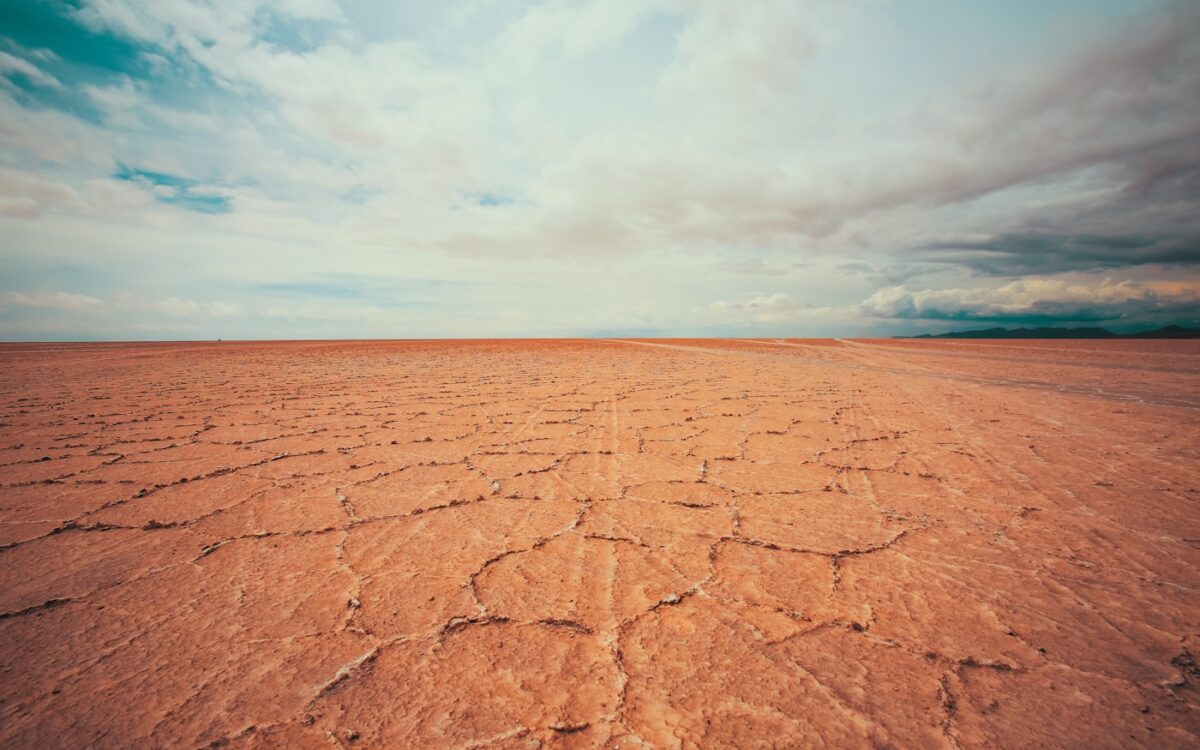
The specific caution for this chart is dryness. Summer Fire plus solid Earth can bake into cracked, arid ground — comfortable but sterile, over-sheltered with nothing growing. The classic corrective a practitioner looks for is Water: a Ren reservoir or Gui rain to moisten the slope, and often a little Wood to keep the Earth alive rather than baked. In practice we look for a chart that lets the mountain do something with its solidity — hold a reservoir, yield some metal, warm a field — rather than one that simply stacks Fire on Earth until nothing can move. The Wu strength is real here; the task is to circulate it, not to let it harden into a warm, inert mass.
巳, 午, 未: how the backing shifts across the quarter
The Snake month (巳 sì) opens summer hiding Bǐng 丙, Wù 戊 and Gēng 庚 — resource, the mountain’s own root and a seed of its Metal output in a single branch, arguably the most complete footing of the three. The Horse month (午 wǔ) is Fire at its peak, hiding Dīng 丁 and Jǐ 己: maximum feeding, and the month where the dry-ground caution matters most. The Goat month (未 wèi) closes the quarter hiding Jǐ 己, Dīng 丁 and Yǐ 乙 — and here the Earth doctrine below comes fully into play, because 未 is both a summer month and the strongest of the Earth-storage branches. A 未-month Wu is being fed by the season and standing in Earth’s own prosperity at the same time, the firmest version of an already firm placement.
The caveats that change everything
Season is only half the strength verdict, and Earth carries an extra wrinkle: classical doctrine gives Earth its own prosperity in the four transitional months (土旺四季 tǔ wàng sìjì), strongest in late summer (未 wèi) — and 未 is one of summer’s own branches. A Wu weighted toward that late-summer Earth can read stronger still than the supported state alone implies, which sharpens the over-dry caution. Beyond that, rooting settles the rest: hidden stems (藏干 cánggān), the surrounding stems, clashes and combinations all decide whether this supported mountain is robustly strong or merely warm on the surface.
So weigh the whole chart, not just the month. Work through the method in our guide to a strong versus weak Day Master, and read the mountain’s temperament on the Wu Earth Day Master profile. For a sharp contrast, see the same stem drained in its output season at Wu Earth born in autumn, where Earth feeds Metal instead of Fire feeding Earth. The remaining quarters frame the whole year: Wu Earth born in spring puts the mountain under the forest’s pressure, and Wu Earth born in winter sets it against the flood it must dam. Summer is the only one of the four that feeds this stem, which is why its questions are about circulation rather than survival.
A question practitioners hear about this placement
If summer supports Wu, why do some summer Wu charts read as struggling?
Usually because the support has nowhere to go. A supported mountain with no Metal to produce and no Water to hold is strength without employment — and in life that reads as restlessness or stagnation rather than ease. The other common case is the boundary problem: a birth a day or two before Li Xia belongs to spring, where the state is dormant rather than supported. Both are resolved the same way — plot the chart precisely and check the month pillar before reading the season.
Summer is the comfortable quarter for the mountain, but comfort still needs circulation to become useful. To see whether your own Wu is well-warmed or baked dry, confirm both your Day Master and your birth season with the Butcher Boy calculator, then read the elements standing around it.