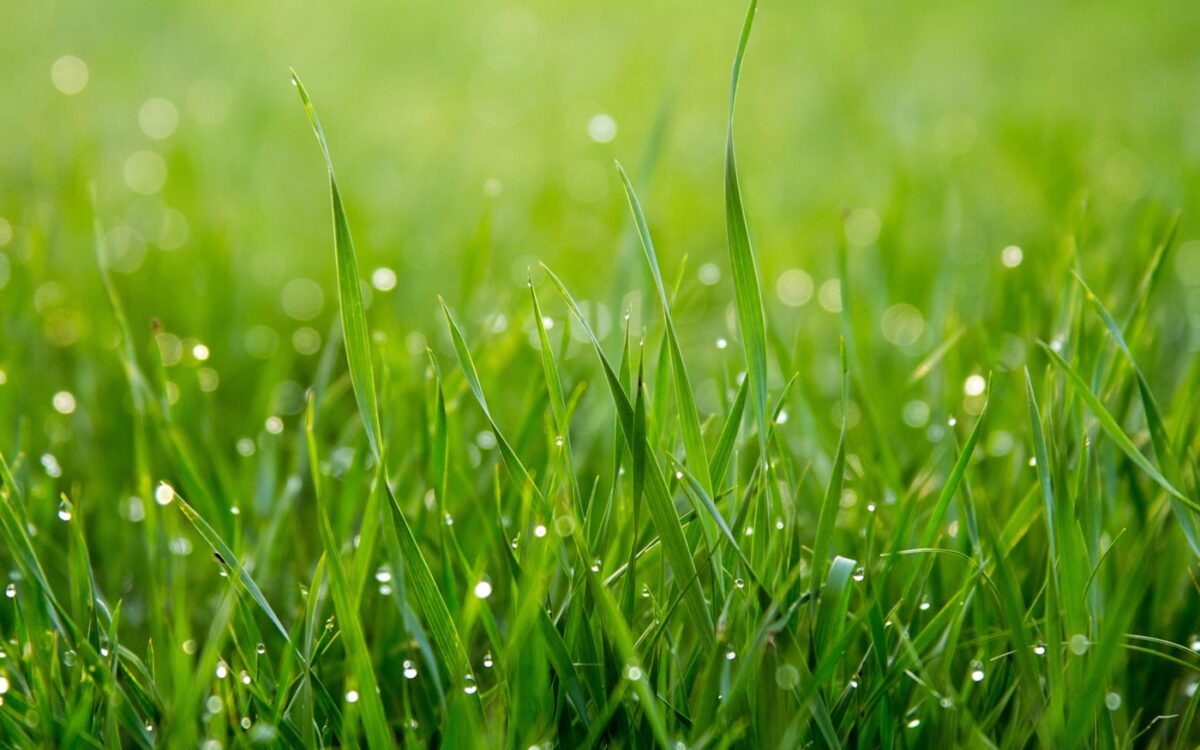
The Gui Mao day pillar (癸卯 guǐ mǎo) places Yin Water (癸 guǐ) over the Rabbit branch (卯 mǎo), a branch of pure, soft Wood. Gui is the gentlest Water — dew, mist, quiet rain, the moisture that settles overnight. Mao is flowering plants and spring grass. Because Water gives birth to Wood, the day pillar (日柱 rìzhù) image is dew resting on a green stem: the Water sits on exactly what it feeds, and feeds it tenderly rather than in a flood.
Everything about this pillar is fine-grained. The Rabbit hides only one stem, so the output here is clean and focused, and the whole configuration reads as delicate, nurturing and quietly productive.
Personality
Gui Water is the most subtle Day Master — intuitive, imaginative, adaptable, able to seep into any space and sense what is beneath the surface. What refines the Gui Mao person is that they sit on the Eating God (食神 shíshén), the sole hidden stem of the Mao branch being Yǐ 乙 Wood.
The Eating God is gentle, sustained Output — patient craft, good taste, the slow-burning talent that compounds over years. Sitting on it, a Gui Mao person tends to be softly creative and aesthetically attuned: drawn to writing, design, healing, cultivation, food, anything that rewards care and refinement. They express through nurture rather than performance.
This is a warm-hearted, obliging temperament, the sort of person who feeds and tends the people around them almost by reflex. Because both the Water and the Wood are yin, the pillar is inward and delicate — never forceful, sometimes too self-effacing. At their best they are graceful, perceptive and genuinely generous; the growth edge is standing up for their own needs, since dew that gives itself entirely to the plant can leave nothing for the ground.
The spouse palace
The day branch is the spouse palace (夫妻宫 fūqīgōng). For Gui Mao the Mao branch hides a single stem: Yǐ 乙 (Yin Wood) = Eating God 食神.
As with any pillar whose marriage seat holds Output rather than a spouse star, the seat describes the texture of home life more than the partner directly — the spouse star itself must be read from elsewhere in the chart. What sits here is the Day Master’s own gentle expression and care.
Classically, the Eating God in the spouse palace points to a nurturing, affectionate marriage, one where love is shown through tending, cooking, making and small daily kindnesses. For a female chart it is a milder placement than the sharper Hurting Officer — less inclined to friction with a partner, more inclined to devotion, home and creativity. For a male chart, this Output naturally feeds Wealth, so a warm home life and material provision tend to grow together. Read without alarm, the theme is a tender, cultivated union that deepens slowly, best matched with a partner who values gentleness over drama. The division between what the seat says and what the spouse star says is the first lesson in our spouse palace guide.
When the Rabbit is touched
A single-stem palace responds visibly when its branch is moved, so know the movers. In the fixed relations, 卯 clashes with 酉 (卯↔酉): a Rooster among the natal branches or arriving by luck pillar or year sends instability signals through this gentle seat — for Guǐ, that Rooster carries the Resource element, so the disturbance often arrives dressed as help or advice. 卯 combines with 戌 toward Fire (卯+戌→Fire), a binding influence that turns the palace’s output toward wealth, and with Pig and Goat the Rabbit completes the Wood frame (亥卯未→Wood frame), which multiplies the output and asks a delicate Guǐ for more supply than it may have.
Gui Mao day pillar FAQ
Is Gui Mao a good pillar for creative work?
The seat is genuinely favourable for craft: Eating God output in its cleanest form. Whether the work sustains its maker depends on supply — the Metal and Water that keep the dew forming — which is a whole-chart question.
Does the marriage seat say anything about the partner’s character?
Less than people expect. With no wealth or officer star in the branch, the seat describes the home’s texture — tender, appreciative — while the partner is read from the spouse star elsewhere and from the palace’s condition.
What is Gold-foil Metal doing under a Water day?
It is the pillar’s Na Yin, a poetic overlay. It does not change the Day Master or the mechanics; it simply names the pillar’s flavour of delicacy.
Na Yin
The melodic element (纳音 nàyīn) of Gui Mao is 金箔金 Jīnbó Jīn, Gold-foil Metal — fine beaten gold leaf, delicate and adorning. As a poetic layer over the mechanics it suits the pillar’s refinement: not weighty ore but something thin, bright and carefully wrought, made to beautify. It is a fitting undertone for a Day Master whose gift is quiet, exquisite craft.
In a full chart
A day pillar is one voice among four. Sitting on the Eating God makes Gui Mao expressive, but Output draws down the Day Master, and gentle Gui is easily over-extended — so support decides the outcome. A Gui with Metal resource or companion Water behind it can pour out refined work indefinitely; a thin one may give and give until it runs dry, talented but depleted. Sorting out which case you are is precisely the work of the strong versus weak Day Master judgement.
Context tunes it further: a spring Gui Mao already leans Wood-heavy and often wants Metal to hold its shape, while a winter one has water to spare. For the deeper nature of this stem, see the full Gui Water Day Master profile and its complete stem map on the Ten Gods page for the Gui Water Day Master. For a bigger, bolder Water-over-Wood pillar built on the same output principle, compare the Ren Yin day pillar; within the Guǐ family, Gui You sits on the very Rooster that clashes this Rabbit — intake where Gui Mao is all giving — and Gui Si shows the same dew spending itself on wealth instead of craft.
Wondering whether Gui Mao is your own day pillar? Plot your four pillars free with the Butcher Boy calculator and check the day position — then see whether your chart gives this quiet dew enough support to keep giving.