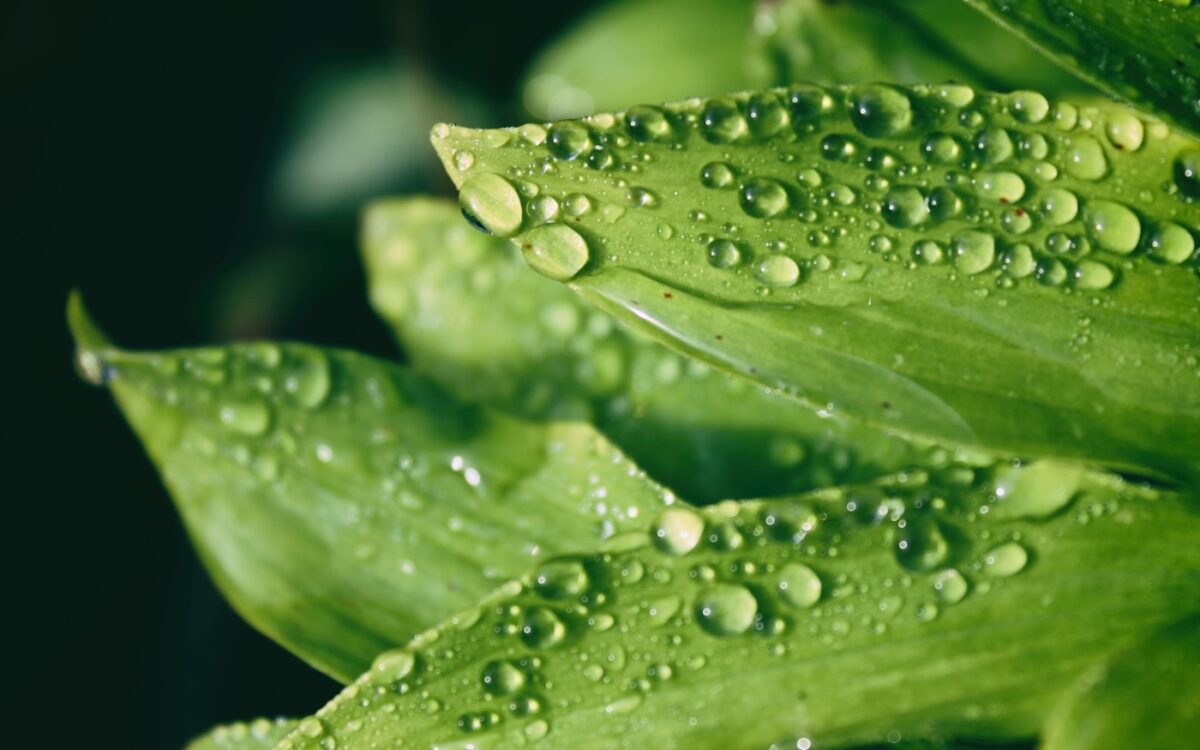
Your Day Master (日主 rìzhǔ) is Guǐ 癸 — Yin Water: the morning dew — subtle, perceptive, arriving where force cannot. Guǐ is the quietest stem and routinely the best-informed person in the room; it reaches into cracks, moods and systems that rivers flood right past. The gift is penetration without noise. The shadow is being underestimated so long that Guǐ starts agreeing with the estimate.
New to Day Masters? Start with the explainer, or plot your chart to confirm yours.
The Guǐ temperament
In the five-element mechanics, Guǐ is fed by Metal, expresses itself through Wood, treats Fire as its wealth, and answers to Earth as pressure and authority. Those four arrows explain most of what this stem loves and avoids: seasons, people and jobs are experienced as more or less of each.
In charts we read Guǐ as the stem of timing. Dew does not argue with the day; it arrives before dawn, does its quiet work, and is gone by the time the loud elements wake up. Guǐ people move the same way — early information, soft entrances, influence that is only visible in retrospect. Pressure is the interesting case: Earth supposedly controls Water, but heavy-handed authority mostly finds that Guǐ has already seeped somewhere else. What genuinely wears this stem down is not opposition but exposure — sustained noise, forced visibility, environments with no cracks to work through. Give a Guǐ one protected channel and a reason, and it will out-endure every louder chart in the building.
In relationships Guǐ is the partner who knew before you said it. The care is real and nearly invisible, which is the problem: Guǐ tends to feel unseen precisely because its giving never makes a sound. Asking plainly for what it needs — once, out loud — is the hardest and most useful move this stem can learn.
The Ten Gods for a Guǐ Day Master
Relative to Guǐ, every stem in the chart becomes one of the Ten Gods (十神 shíshén). Note the polarity: for Yin Water it is Wù, the mountain, that arrives as the steady Direct Officer, while Jǐ, the field, plays the sharper Seven Killings — soil absorbs dew in a way rock never can. The full walk-through is in the Ten Gods for Guǐ Water.
| Stem | Ten God for Guǐ |
|---|---|
| Jiǎ 甲 (Yang Wood) | Hurting Officer 伤官 |
| Yǐ 乙 (Yin Wood) | Eating God 食神 |
| Bǐng 丙 (Yang Fire) | Direct Wealth 正财 |
| Dīng 丁 (Yin Fire) | Indirect Wealth 偏财 |
| Wù 戊 (Yang Earth) | Direct Officer 正官 |
| Jǐ 己 (Yin Earth) | Seven Killings 七杀 |
| Gēng 庚 (Yang Metal) | Direct Resource 正印 |
| Xīn 辛 (Yin Metal) | Indirect Resource 偏印 |
| Rén 壬 (Yang Water) | Rob Wealth 劫财 |
| Guǐ 癸 (Yin Water) | Friend 比肩 |
Strong Guǐ, weak Guǐ
A strong Guǐ operates best as the intelligence behind the throne — research, strategy, the well-placed word — and should claim authorship more often than it wants to. A weak Guǐ evaporates under exposure and needs Metal’s replenishment: sources, quiet, one protected channel of its own.
Not sure which you are? Season is half the verdict — see strong vs weak, properly judged, then favorable elements for Water Day Masters for which elements this particular water actually wants.
Guǐ through the four seasons
Birth season sets how much water the sky was carrying. The classical grading runs 旺 wàng (Prosperous), 相 xiàng (Supported), 休 xiū (Resting), 囚 qiú (Confined), 死 sǐ (Dormant) — solar-term seasons, not calendar months, with the Earth branches 辰未戌丑 shading toward Earth at each season’s end.
| Season | Branches | Dates | Guǐ’s state |
|---|---|---|---|
| Guǐ born in spring | 寅卯辰 | Feb 4 – May 4 | 休 xiū — Resting |
| Guǐ born in summer | 巳午未 | May 5 – Aug 6 | 囚 qiú — Confined |
| Guǐ born in autumn | 申酉戌 | Aug 7 – Nov 6 | 相 xiàng — Supported |
| Guǐ born in winter | 亥子丑 | Nov 7 – Feb 3 | 旺 wàng — Prosperous |
In spring the rain feeds the season’s Wood — energy flows out, a mild drain, the retired-general state. In summer Water stands over the Fire it controls — a wealth season fought uphill against the times: effortful, gritty, with evaporation constant. In autumn Metal produces Water: strong by backing, comfortable, resourced, sometimes over-sheltered. Winter is Water’s own season: maximum native strength; the chart usually needs outlets, not more support. The four season pages read each sky in full.
Career and money
The subtle professions: analysis, psychology, writing, intelligence in every sense, medicine’s diagnostic end, the early quiet phase of anything important. Fire is the wealth element — Guǐ profits by cooling overheated situations and pricing clarity in bright, noisy markets.
Your six Guǐ day pillars
Guǐ sits on one of six day branches; the pair — the day pillar (日柱 rìzhù) — is the working unit of a reading. As a yin stem, Guǐ pairs with: Guǐ Chǒu 癸丑, dew on frozen winter ground; Guǐ Mǎo 癸卯, rain on spring shoots; Guǐ Sì 癸巳, mist over early fire; Guǐ Wèi 癸未, dew on warm summer soil; Guǐ Yǒu 癸酉, condensation at the metal spring; and Guǐ Hài 癸亥, rain returning to the sea. The day branch is also the spouse palace, so the six read very differently in relationship questions — each page goes deep on one.
Guǐ in 2026 — the Bǐng Wǔ year
2026’s double Fire makes wealth abundant and evaporation constant for Yin Water. The strong Guǐ has a contrarian’s feast: in the loudest year of the cycle, the person who can still think quietly is the most valuable in the room. The weak Guǐ should work near sources — allies, rest, Metal — and sell water to the thirsty rather than fighting the sun.
For how a double-Fire year works in general, read the 2026 Fire Horse guide.
Go deeper
A Day Master is the first sentence of a chart, not the whole paragraph. The season you were born into, the hidden stems beneath your branches, and your current luck pillar decide which version of Guǐ is on duty this decade. For the whole chart in plain English — with the next twelve months mapped — book a reading, or see the other nine stems in the field guide.
Quiet work begins with one fact: find your Day Master. Plot your chart free with the Ba Zi calculator and see which Guǐ pillar, under which season’s sky, is yours.