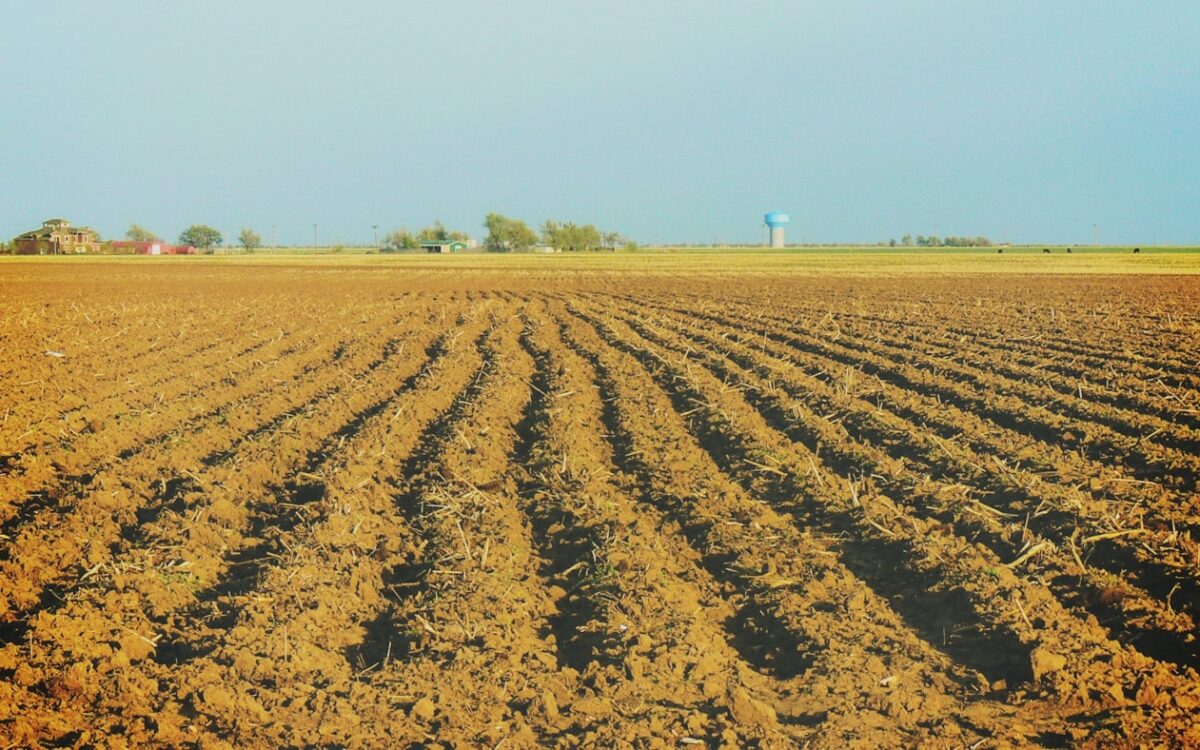
To be ji earth born in summer is to be soft, fertile soil lying under a generous sun. Jǐ 己 (Yin Earth) is the garden bed and the cultivated field — moist, receptive loam that grows things quietly rather than the hard mountain rock of its Yang counterpart. Summer is the Fire season, carried by the branches 巳午未 and running roughly from May 5 to Aug 6 in the solar calendar, from Li Xia (立夏 lìxià) to just before Li Qiu (立秋 lìqiū).
Those solar-term dates, not the calendar month, are what decide your season in Ba Zi (八字 bāzì). A birthday in early May or early August can land on either side of the boundary, so if you were born near a cutoff, confirm your true month pillar with the free chart calculator before reading anything into seasonal strength.
Supported (相 xiàng): Ji Earth born in summer has the season behind it
In the classical five-phase table, Earth in summer sits in the state 相 (xiàng), Supported — the second strongest baseline. Fire produces Earth, so the season is actively feeding your element: warmth and light pouring into the soil, and warm ash settling to enrich it. For soft Ji loam this is deeply favourable. The garden bed born in summer is warmed through, well-fed and ready to grow, which is exactly what this kind of nurturing soil is built to do.
Read this as a resourced baseline. A Supported Day Master starts with backing rather than struggle, so it tends to feel comfortable, well-provided-for, and confident of its footing. For Ji specifically, the reading is a productive garden in high season rather than parched ground. Where Wu 戊 Earth in summer can bake hard and dry, soft Ji stays workable as long as some moisture is present in the chart, turning the Fire’s gift into genuine fertility.
What this season asks of you
Summer is the resource season for Earth: Fire is the element that produces Earth, so the seasonal energy arrives as nourishment, learning and support. When a Day Master is already Supported, the task is not to gather more backing but to use what it has. The risk of a strong resource season is over-shelter — soil so fed and comfortable that it never gets planted. Comfortable, resourced, sometimes over-sheltered is the honest summary of this state.
So ji earth born in summer usually wants outlets, not more support. In elemental terms that means Metal (which Earth produces, the output that lets a strong Day Master express itself) and Water (the wealth Earth controls, which gives the fertile soil something to grow and hold). Too much added Fire or Earth simply piles resource on a chart that already has plenty, and the person can drift into passivity or dependence. The most productive summer-born Ji charts are the ones that take their abundant backing and turn it into visible output. For how these producing and controlling relationships work across a chart, see our overview of the five elements in Ba Zi; the same choices, framed specifically for soil charts, are in favorable elements for Earth Day Masters.
Ji earth born in summer: quick questions
Which summer month feeds the soil most directly?
The first two. 巳 Sì (Snake) hides Bǐng 丙, Wù 戊 and Gēng 庚 — Direct Resource 正印 in charge, with a companion and even a thread of Hurting Officer 伤官 output tucked beneath. 午 Wǔ (Horse) hides Dīng 丁 and Jǐ 己 — Indirect Resource 偏印 plus the Day Master’s own Friend 比肩 root, warmth and footing in one branch. 未 Wèi (Goat) hides Jǐ 己, Dīng 丁 and Yǐ 乙, and is a different case entirely — see below.
Why is the Goat month singled out?
Because 未 is where the resource season and Earth’s own transitional prosperity stack. The branch’s main qi is Jǐ itself, and classical doctrine makes late summer the strongest of the four Earth windows. A Goat-month Ji is fed and standing on home ground at once.
Does Supported mean my chart is strong?
Not by itself. It means the season is feeding you; whether that becomes settled strength depends on roots, hidden stems and the rest of the map — the judgement below.
The caveats that change everything
Season is only about half the strength verdict. Roots in the branches, the hidden stems (藏干 cánggān) they carry, and the balance of all four pillars finish it. A Supported summer baseline can be pulled back toward the middle by heavy Wood pressure or a chart drained by too much Metal and Water, so a comfortable season does not by itself make a strong chart. This is why strength is a judgement of the whole map, laid out in strong versus weak Day Master.
Earth carries an extra wrinkle. Classical doctrine gives Earth its own prosperity in the four transitional months (土旺四季 tǔ wàng sìjì) — the last roughly eighteen days of each season, held by the Earth branches 辰未戌丑 and strongest of all in late summer (未), the Goat month. Summer ends in exactly that month. So a Ji Earth born in the tail of summer is doubly reinforced, by Fire’s resource and by Earth’s own peak season, and can read notably stronger than the season core alone would suggest. Weigh that against the rest of your Ji Earth Day Master profile, and compare the very different, pressured feel of Ji Earth born in spring, where the season controls the soil instead of feeding it. The cooler half of the year rounds out the set: Ji Earth born in autumn spends itself into the harvest, and Ji Earth born in winter holds the flood uphill.
Before you accept Supported as your reading, confirm two things: that Ji Earth is truly your Day Master, and that summer is truly your birth season by solar term. Plot both for free with the Butcher Boy calculator and let the whole chart, rather than one seasonal line, show you how well this soil actually sits.