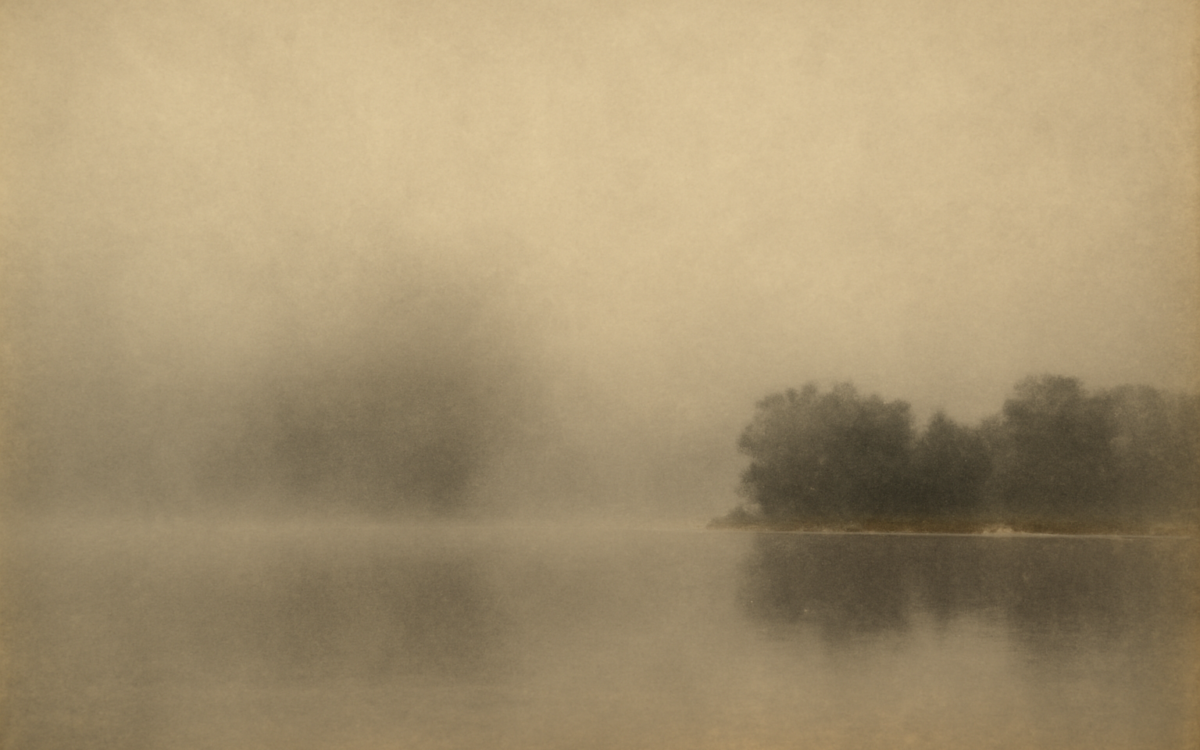
Hexagram 5 (需 xū), usually translated as Waiting or Attending, is built from Kan (坎 kǎn), Water, in the upper position over Qian (乾 qián), Heaven, in the lower. The picture is clouds already gathered in the sky above the strong, creative energy of heaven. The rain has not yet fallen. Everything needed for the outcome is present, but the moment of release belongs to time, not to force. This is the core teaching of hexagram 5: strength that knows how to wait.
The lower trigram, Qian, is pure yang — capable, driven, ready to move. The upper trigram, Kan, is water and also danger, the obstacle standing between present readiness and the desired result. So the composition is not weakness holding back, but competence facing a genuine hazard and choosing not to charge into it prematurely. Waiting here is active, not passive.
The Judgment: waiting with confidence, not anxiety
The counsel of Waiting turns on a single distinction: there is anxious waiting and there is confident waiting, and hexagram 5 asks for the second. If you are sincere and hold to your ground, the situation carries an inner light and things come right in their season. The danger ahead is real, yet the position is fundamentally sound, so the advice is to keep faith rather than to grasp.
The classical text speaks of it being favourable to cross the great water — meaning that when the time genuinely arrives, decisive action succeeds. The waiting is not indefinite. It is the interval before a crossing, and the quality asked of you during that interval is steadiness: nourish yourself, stay clear about the goal, and do not exhaust your energy in restless false starts. A person who waits well arrives at the crossing rested and whole; a person who forces the timing arrives depleted.
易经 · Book of Changes
Cast your own hexagram. Six throws build your hexagram and any changing lines, each linked to a plain reading. Free, in your browser.
The Image reads the picture directly. Clouds rise to heaven; rain will come, but not on command. The practitioner’s lesson drawn from this is almost domestic: while waiting, one eats and drinks, one keeps to ordinary sustaining habits, one stays in good cheer. The classic phrase points to nourishment and composure as the discipline of the interval.
This is a useful correction to how most of us treat waiting — as dead time to be endured or filled with worry. The Image reframes it. The interval before the rain is not empty; it is when you keep your strength intact so that you can act cleanly when the sky opens. Tending to your health, your relationships, and your steady routines is not a distraction from the goal. It is the substance of waiting done properly.
Practical guidance: readiness held in reserve
In work, hexagram 5 tends to describe a situation where you are capable and the plan is sound, but a necessary condition is still outside your control — a decision pending, a market not yet ready, a counterpart who has not yet moved. The tendency it favours is preparation without provocation. Keep the project warm, refine the details, stay visibly reliable, and resist the urge to force a premature commitment that would only harden resistance.
In relationships, Waiting often marks a phase where trust is still forming and pushing for a resolution would strain what patience could ripen naturally. The advice reads as tendency, not verdict: give the connection room to settle, remain sincere and present, and let the other person arrive at their own pace rather than pulling them across before they are ready.
On timing, this is one of the clearest “not yet, but soon” figures in the sequence. It does not counsel retreat or abandonment. It counsels holding your position with confidence, conserving energy, and recognising that the obstacle ahead is real enough that rushing it carries genuine risk. When the conditions align, the same strength you were holding in reserve becomes decisive movement.
Changing lines: how Waiting shifts
The six lines of hexagram 5 trace a graded approach to the danger — waiting far out on the open ground, then nearer the sand, then at the mud closest to the water, and finally the situation of being caught in it. Read as tendency, the lower lines reward patience at a safe distance, while the upper lines describe what happens as one draws close to the hazard and eventually meets the unexpected. The famous final line turns on receiving uninvited guests and treating them with respect — an outcome that resolves well precisely because the person waited with composure rather than resentment.
Because changing lines transform into their opposites, a line moving here shifts hexagram 5 toward a neighbouring figure. A change in the lower, heaven trigram can move it toward the more forceful configurations that follow, while a change above alters the shape of the danger itself. The practical point is simply this: Waiting is a stage, not a permanent condition, and the line that is moving shows you where the waiting is about to end.
To place this reading against your own timing and elements rather than a single moment’s cast, plot your chart free with the Ba Zi calculator, then read hexagram 5 alongside the rest of the 64 hexagrams overview and the I Ching hub. Waiting is the quiet discipline that makes the eventual crossing clean.