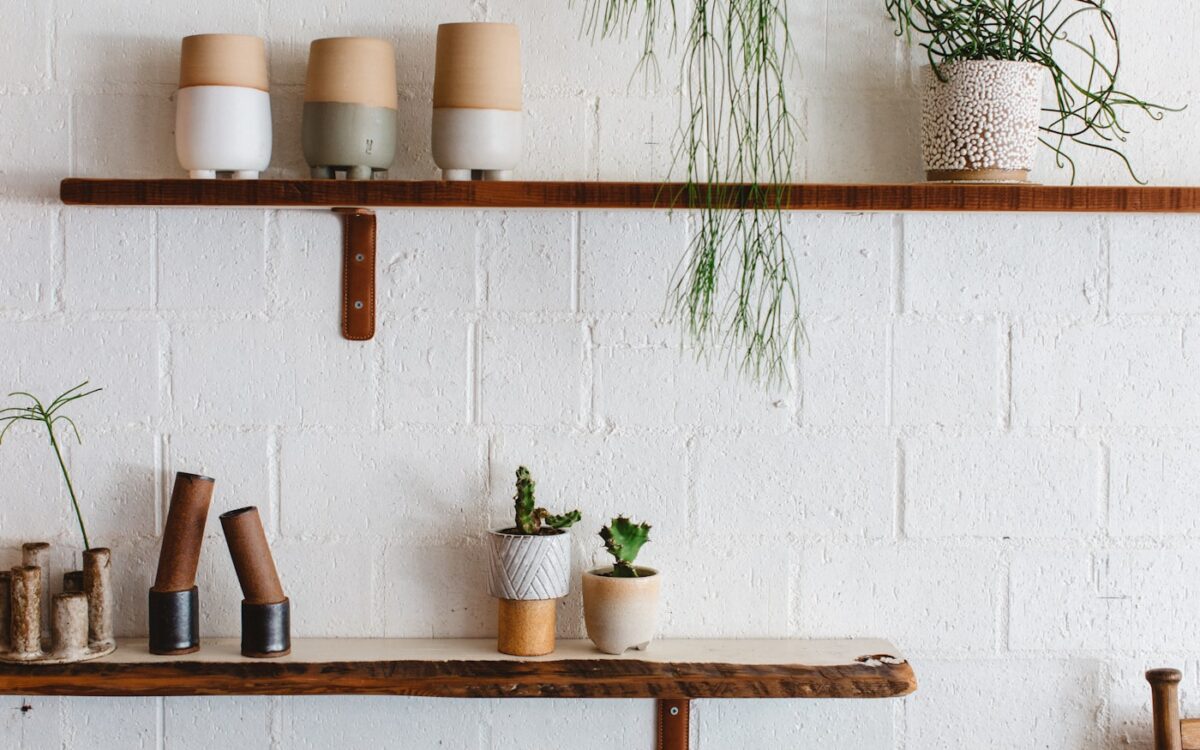
A living plant is one of the simplest and most forgiving feng shui (風水 fēng shuǐ) additions you can bring into a home. Plants carry the Wood element (木 mù) — growth, vitality, the quiet upward push of something alive — and they clean the air, soften hard edges, and give a room a sense of tended care. Good feng shui plants do not need to be rare or expensive; they need to be healthy and placed with a little thought. This guide covers the auspicious classics practitioners reach for, where each one helps, and the one rule that outranks every list of “lucky” species.
The one rule that matters most: keep them healthy
Before any list of favourable plants, understand the principle underneath it. A plant supports a room only while it is thriving. A vigorous plant with firm, green leaves radiates the growing Wood energy you want. A yellowing, drooping, or half-dead plant does the opposite — it reads as decline, and it quietly drains the corner it sits in rather than lifting it.
So the working rule is plain: tend your plants, or remove them. A single healthy plant in the right spot does more than a shelf of struggling ones. Prune dead leaves promptly, clear fallen foliage, and if a plant is clearly failing and will not recover, let it go without guilt. Dried flowers and dead branches kept “for decoration” fall under the same caution — stagnant, lifeless material is not what feng shui plants are for. This is far more important than chasing the correct species.
风水 · Feng Shui
Find your lucky directions. Plot your chart free and see your feng shui Kua number and the directions that favour you — computed in your browser.
Several plants have earned their reputation through a mix of hardiness, pleasing shape, and long association with prosperity. All of them are Wood-element plants, and all of them prefer soft, rounded, or upward leaves over aggressive spikes.
The jade plant (玉樹 yù shù), a small succulent with plump, coin-shaped leaves, is the classic wealth plant. Those round leaves resemble jade coins, which is exactly why it is favoured near an entrance, on an office desk, or in the wealth corner. It is slow, steady, and hard to kill — a fitting emblem for accumulated rather than flashy money.
The money tree (發財樹 fā cái shù), often sold with a braided trunk and a full crown of five-lobed leaves, is the plant most people picture for prosperity. Its braided stems are said to hold and gather wealth, and it thrives in bright, indirect light. We cover its care and placement in depth in the feng shui money tree guide.
Lucky bamboo (富貴竹 fù guì zhú) is not true bamboo but a Dracaena, grown in water and endlessly adaptable. It is prized because it carries Wood energy while sitting in Water (水 shuǐ) — and Water feeds Wood in the productive cycle, so the arrangement nourishes itself. The number of stalks is traditionally read for meaning; three for happiness and longevity is a common gift. Keep the water clean and it asks almost nothing of you.
The snake plant (虎尾蘭 hǔ wěi lán), with its stiff upright blades, is a useful exception worth understanding. Its leaves are pointed, and schools differ on this — some avoid spiky plants entirely, while many practitioners value the snake plant as a protective, upward-driving plant that also tolerates low light and cleans the air well. The sensible middle path is to use it, but not to aim those points at where you sit or sleep. A hallway, an awkward corner, or beside an entrance suits it better than the seat of the sofa.
Where feng shui plants do the most good
Placement turns a nice plant into a working one. The Bagua map (八卦 bā guà) assigns life areas to zones of a space, and a few of them respond especially well to living Wood.
The wealth-and-abundance zone sits in the southeast in the classical compass Bagua and is itself governed by Wood, so a healthy plant there is doubly at home. A thriving jade or money tree in that corner is the plainest version of activating the feng shui wealth corner. The east zone, which governs family and health, is also Wood-ruled and welcomes greenery.
Beyond the Bagua, plants earn their keep wherever qi (氣 qì) needs help. A tall, full plant can slow a straight rush of energy between a door and a window, soften a sharp cabinet corner so it stops acting as a “poison arrow” (煞氣 shā qì), or anchor an empty corner that otherwise feels dead. In the living room, a run of plants can even stand in for the solid wall a floating sofa is missing. Kitchens and bathrooms, which can hold heavy or draining energy, benefit from a small resilient plant to lift the air.
The bedroom, spiky plants, and what to avoid
The bedroom deserves a separate note. A common older view holds that plants have no place in the bedroom at all, since active, growing Wood energy can be too stimulating for a room meant for deep rest. A more moderate and widely held position is that one or two calm, easy plants are fine — the concern is not danger but intensity. If you love greenery in the bedroom, keep it modest, choose soft-leaved and low-maintenance species, and avoid crowding the space. Our feng shui bedroom guide takes the full room-by-room view.
Two cautions apply everywhere. First, be thoughtful with genuinely spiky or thorny plants — cactuses and aggressive succulents — whose sharp points project prickly, defensive energy toward whoever sits near them. They are not forbidden, but they belong in a corner or by an entrance for protection, never aimed at a bed, a desk, or a sofa. Second, and most importantly, no plant of any kind helps once it is dying. A dead plant is worse feng shui than an empty pot.
Match the plant to the person
Everything above is universal Form School (巒頭 luán tóu) advice — it works for any home. The finer layer is personal. Feng shui is Ba Zi’s spatial sibling: where feng shui reads the room, Ba Zi (八字 bāzì) reads the person, and both speak the same five-element language. If your own chart already runs rich in Wood, a jungle of plants may tip the balance rather than help it; if your chart is short on Wood, greenery at home genuinely feeds you. To see how the feng shui elements sit in your favour, learn which of the five elements your chart leans toward — plot your Ba Zi free with the Butcher Boy calculator, then let the greenery follow the person.