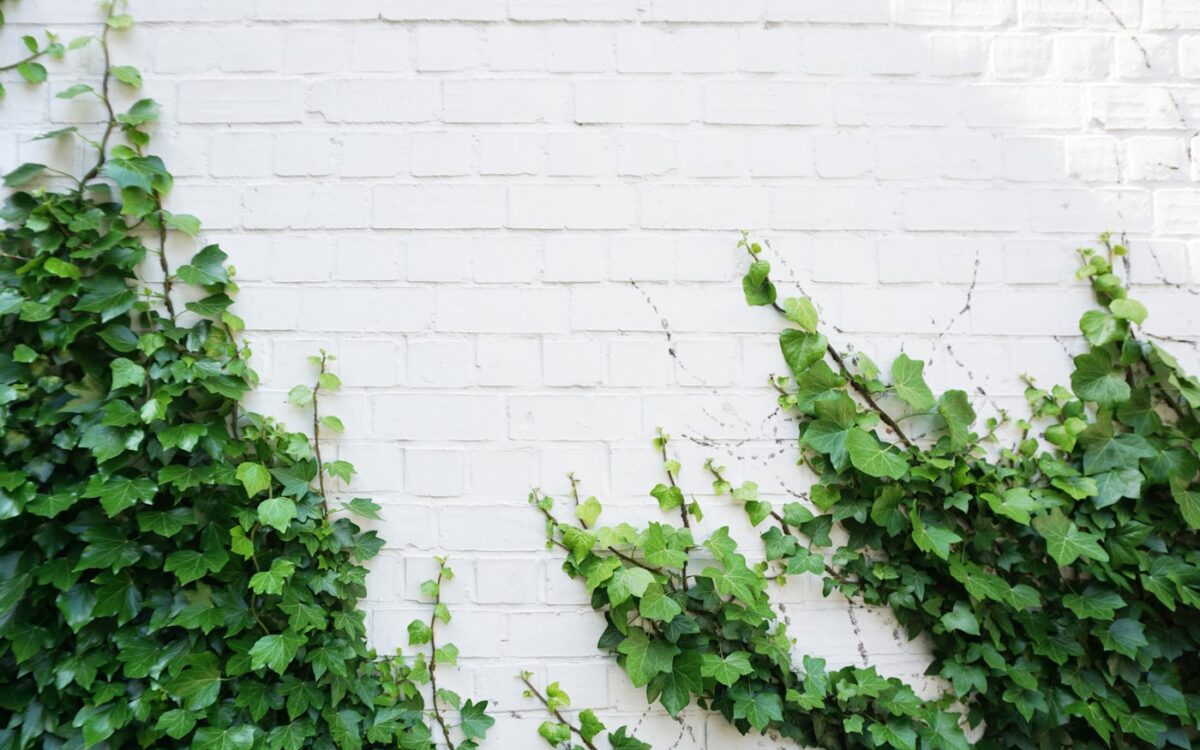
Your Day Master (日主 rìzhǔ) is Yǐ 乙 — Yin Wood: the climbing vine — flexible, resourceful, alive to every opening. Where Jiǎ meets the obstacle head-on, Yǐ grows around it, and usually arrives first. The gift is adaptability; the shadow is over-adaptation — a vine that only takes the shape of other people’s trellises can forget it had a direction of its own.
New to Day Masters? Start with the explainer, or plot your chart to confirm yours.
The Yǐ temperament
In the five-element mechanics, Yǐ is fed by Water, expresses itself through Fire, treats Earth as its wealth, and answers to Metal as pressure and authority. Those four arrows explain most of what this stem loves and avoids: seasons, people and jobs are experienced as more or less of each.
In charts we read Yǐ as the survivor of the ten stems. Grass gets mowed and returns; the vine loses its trellis and finds another. Under pressure Yǐ rarely confronts — it re-routes, negotiates, waits for the wind to change. That is genuine strength, not evasion, but it has a tell: when a Yǐ person says “it’s fine”, check whether the vine has simply grown around a wound rather than healed it. Metal — criticism, rigid authority — cuts Yin Wood more sharply than it cuts the tree, which is why Yǐ people often build careers on being indispensable to power rather than holding it directly.
In relationships Yǐ entwines: attentive, responsive, quick to sense a partner’s weather. The risk is losing shape — years of accommodating until nobody, including Yǐ, remembers what it originally wanted. The strongest Yǐ charts pair the vine with a firm stake and keep their own direction on record.
Yǐ through the four seasons
Your birth month sets the vine’s baseline. The classical grading of a Day Master’s seasonal state runs 旺 wàng (Prosperous), 相 xiàng (Supported), 休 xiū (Resting), 囚 qiú (Confined), 死 sǐ (Dormant). Seasons are solar-term seasons, not calendar months; the Earth branches 辰未戌丑 at each season’s end shade toward Earth.
| Season | Branches | Dates | Yǐ’s state |
|---|---|---|---|
| Yǐ born in spring | 寅卯辰 | Feb 4 – May 4 | 旺 wàng — Prosperous |
| Yǐ born in summer | 巳午未 | May 5 – Aug 6 | 休 xiū — Resting |
| Yǐ born in autumn | 申酉戌 | Aug 7 – Nov 6 | 死 sǐ — Dormant |
| Yǐ born in winter | 亥子丑 | Nov 7 – Feb 3 | 相 xiàng — Supported |
Spring is Wood’s own season: maximum native strength, and the chart usually needs outlets, not more support. In summer your element feeds the season — energy flows out, a mild drain, the retired-general state. In autumn Metal controls Wood: weakest baseline, where support and timing matter more than effort. In winter Water feeds the vine: strong by backing, comfortable, sometimes over-sheltered. Each linked page reads one season in full.
Strong Yǐ, weak Yǐ
A strong Yǐ weaves networks and thrives amid complexity — it should take on tangled problems no one else can hold. A weak Yǐ scatters: many shoots, no fruit. The correction is structure — fewer commitments, firmer stakes, and enough Water (rest, learning) to keep the sap moving.
Not sure which you are? Season is half the verdict — see strong vs weak, properly judged — and the practical consequences are mapped in favorable elements for Wood Day Masters.
Career and money
Yǐ excels wherever influence beats authority: negotiation, design, medicine, diplomacy, partnerships, any role that rewards reading the room. Earth is the wealth element here too, but Yǐ earns it laterally — through relationships and positioning rather than frontal conquest.
The Ten Gods for a Yǐ Day Master
Relative to Yǐ, every other stem becomes one of the Ten Gods (十神 shíshén). Note how the yin–yang polarity flips the table compared with Jiǎ: for Yǐ it is Gēng, not Xīn, that arrives as the Direct Officer. The full interpretation lives in the Ten Gods for Yǐ Wood.
| Stem | Ten God for Yǐ |
|---|---|
| Jiǎ 甲 (Yang Wood) | Rob Wealth 劫财 |
| Yǐ 乙 (Yin Wood) | Friend 比肩 |
| Bǐng 丙 (Yang Fire) | Hurting Officer 伤官 |
| Dīng 丁 (Yin Fire) | Eating God 食神 |
| Wù 戊 (Yang Earth) | Direct Wealth 正财 |
| Jǐ 己 (Yin Earth) | Indirect Wealth 偏财 |
| Gēng 庚 (Yang Metal) | Direct Officer 正官 |
| Xīn 辛 (Yin Metal) | Seven Killings 七杀 |
| Rén 壬 (Yang Water) | Direct Resource 正印 |
| Guǐ 癸 (Yin Water) | Indirect Resource 偏印 |
Your six Yǐ day pillars
The Day Master sits on a day branch, and the pair — the day pillar (日柱 rìzhù) — is what we actually read. As a yin stem, Yǐ pairs with six branches: Yǐ Chǒu 乙丑, the vine on cold winter soil; Yǐ Mǎo 乙卯, the vine in its own meadow; Yǐ Sì 乙巳, the flowering vine over early fire; Yǐ Wèi 乙未, the vine rooted in warm garden earth; Yǐ Yǒu 乙酉, the vine on the metal trellis; and Yǐ Hài 乙亥, the vine over deep water. The day branch doubles as the spouse palace, so these six diverge most in relationship readings — each page takes one apart properly.
Yǐ in 2026 — the Bǐng Wǔ year
2026’s Fire drains Yin Wood gently but persistently: a flowering year, expressive and social, with the risk of pleasant exhaustion. Strong Yǐ should convert charm into finished work before autumn; weak Yǐ should choose two flowers and let the rest of the vine rest.
For how a double-Fire year works in general, read the 2026 Fire Horse guide.
Go deeper
A Day Master is the first sentence of a chart, not the whole paragraph. The season you were born into, the hidden stems beneath your branches, and your current luck pillar decide which version of Yǐ is on duty this decade. For the whole chart in plain English — with the next twelve months mapped — book a reading, or see the other nine stems in the field guide.
Start with the fact, not the theory: find your Day Master. Plot your chart free with the Ba Zi calculator and see which of the six Yǐ pillars, in which season, is actually yours.